
Edges
On the beauty of what doesn't smooth out

Dear friends,
Memory—and unfortunately many written histories—are often guilty of the same sin: they round off the rough edges of lived experience. I’m not the first to acknowledge this sentiment, and I won’t be the last. But it’s staring me in the face right now, and I can’t ignore it. Like, literally staring me in the face in the form of presidential portraits. I recently started coming to the University of Iowa Library to read and write on a more regular basis, and tonight found me passing by the wall of presidential portraits and also stopping to read. Here are a couple of things I found:
During Amos Dean’s tenure as the first university president from 1855-59, he struggled to put the university “on a more financially sound foundation.” By the time he passed the torch, a lack of funds had forced the university to close temporarily.
The second university president expressed sympathy to the South prior to the US Civil War, and an angry crowd tried to capture his son who was a student and also sympathetic to the South. The son escaped by the hairs of his chinny-chin-chin, but he didn’t FAFO and fled the state. His father resigned shortly after.
The third university president, Oliver M. Spencer, took the helm in 1862—the middle of the Civil War—and struggled on until student attendance and faculty appointments became more steady at war’s end when the institution’s financial situation had also begun to improve.
It’s hard to imagine such stark beginnings on such a quiet evening on the fifth floor surrounded by students on cell phones, 5 million printed books, and 300,000 rare texts. The good ol’ days had their uncertainties. And I haven’t even mentioned the Vietnam protest events that got some national attention. Nearly 60 years ago to the day—October 20, 1965—a student burned his draft card publicly on campus that became a watershed moment in campus protests across the nation. And then two years later, 50 demonstrators tossed plastic bags filled with their donated blood on the steps of the IMU before a crowd of 500 out of the estimated 3,000 protesters marched to President Bowen’s office to present him with “blood-stained anti-war petitions.” And war was not the only cause of institutional unrest. In 2008, heavy rains swelled the Iowa River beyond its banks and 16 major UI buildings were hit causing $750 million in damages. I remember laying brick on a police officer’s house in Goose Creek, South Carolina that summer and listening to an NPR reporter standing on the Burlington Street bridge. It was one of only two accessible bridges in town, and you could hear the rush of the water beneath them.
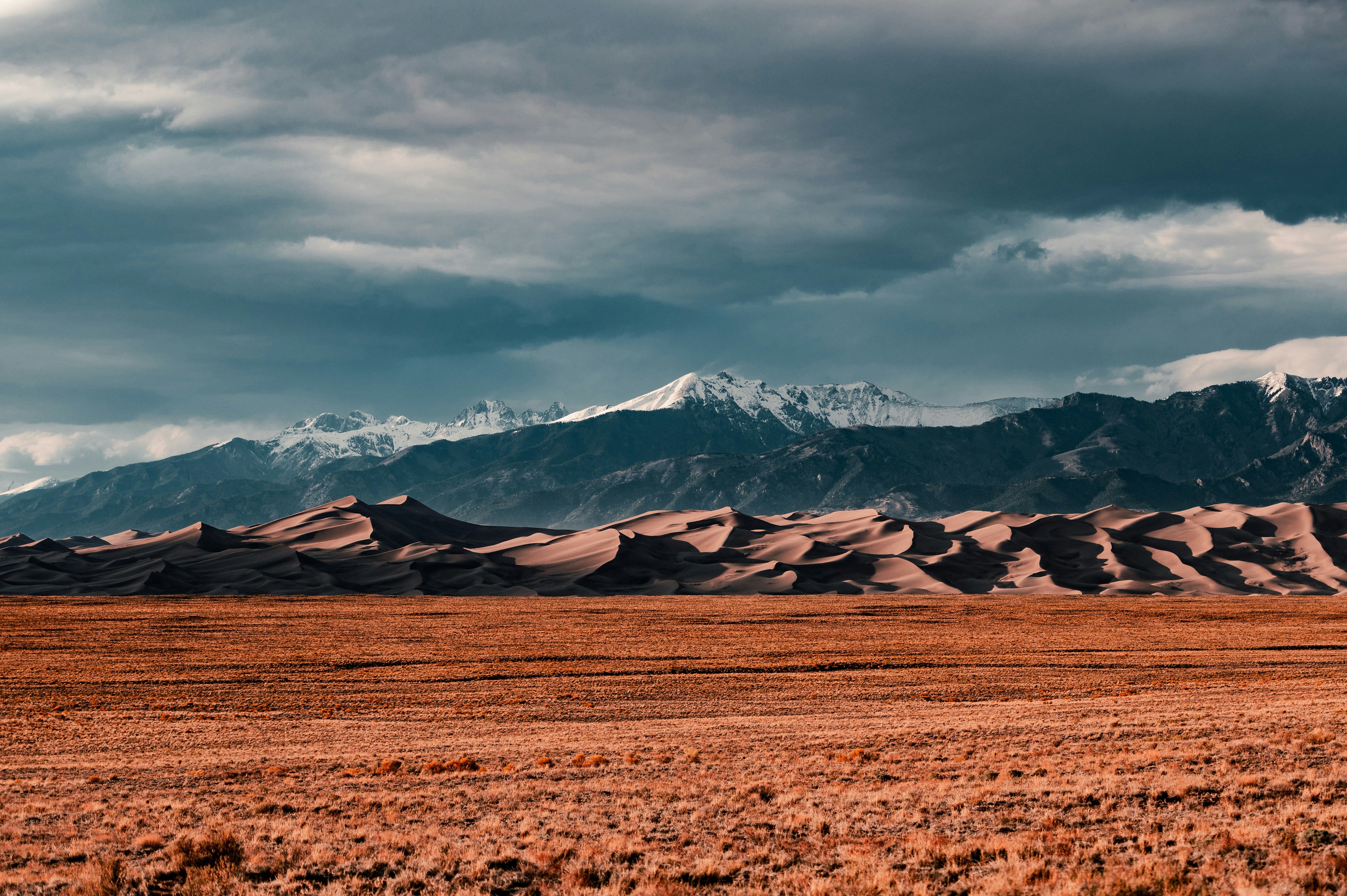
During hard times, we tend to forget that the good ol’ days had its share of hard times, too. I think back to my childhood and a road trip to Colorado that my parents took my brother and me in the summer of 1983. We camped at KOAs, woke to eat Life cereal with honey, and saw things like the St. Louis Arch and the Great Sand Dunes National Park for the first time. To my parents credit, I only have smiles when I think of that trip in a white Oldsmobile Omega with a straight drive on the floor and maroon upholstery. What I didn’t know until years later is that we had little money and my dad didn’t have any work that summer. Southern Indiana was still in the shadow of a recession that lasted from July 1981 to November 1982, and my dad was also dealing with a disgruntled customer who was making life really hard for him and damaging his reputation. I just remember sliding on my butt down mountains of sand and sitting on his lap singing “Home on the Range” while we zipped down the highway at 70 mph because car seats weren’t a thing then.
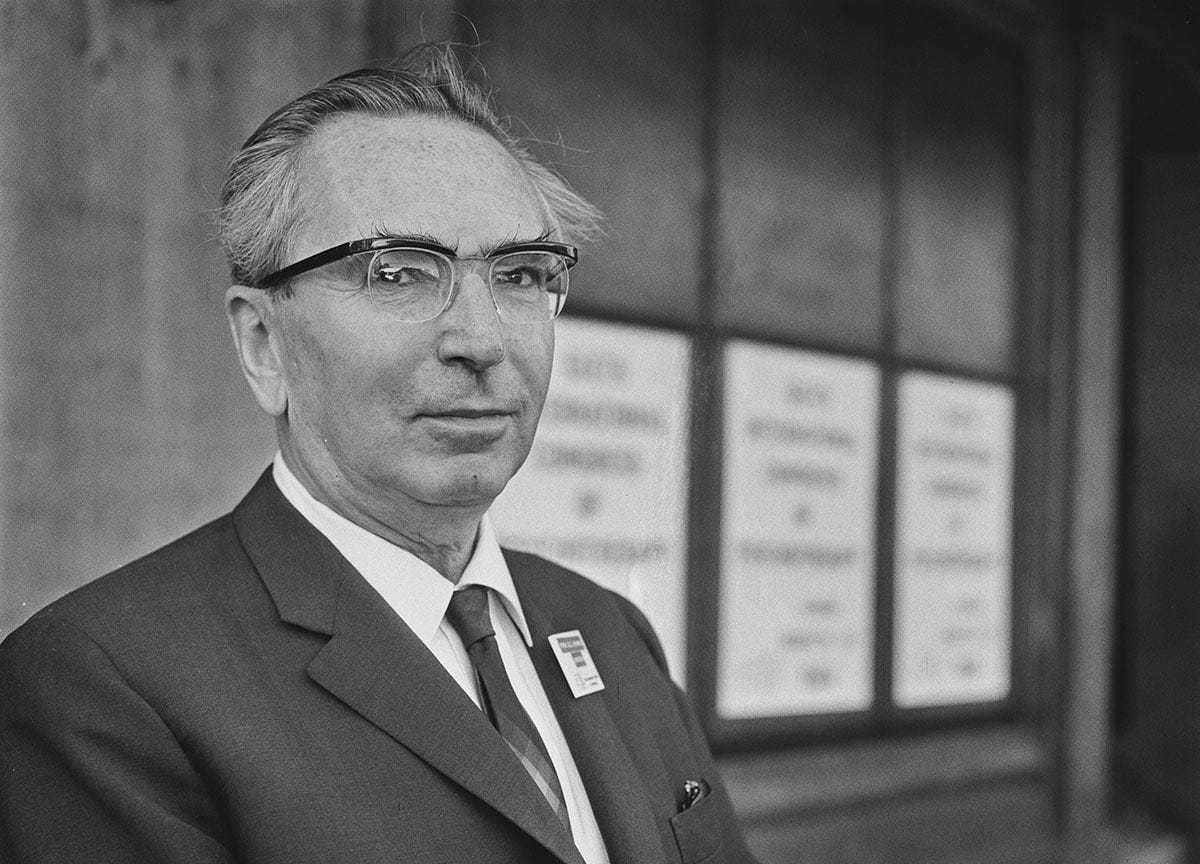
There’s something more to be said than simply that the good ol’ days had their difficulties and uncertainties, too. Something more personal. The people of that generation had to endure those difficulties, and I’m grateful that my ancestors seemed to have borne them nobly. Or at least with smiles. My great grandparents found ways to survive by purchasing farms and watching the hog prices with some pretty shrewd eyes. My grandparents started a fruit barn in southern Indiana to supplement years when farming seemed more like a hole in the ground that ate up your money. My parents discovered how to navigate crushing workers’ compensation percentages and get out of debt during the ‘80s and early ‘90s. All of these happened during times of civil unrest and economic downturns, and thinking about these things from the comfort of the University of Iowa Library’s fifth floor while students around me write papers and scroll Instagram gives me hope. Simultaneously, I’m feeling challenged. How am I bearing up under the difficulties I’m facing during this season of life? I have some great examples to follow. How can I emulate their character? Instead of asking what I want from life, how am I going to answer Frankl’s question of “What is Life asking of me?”
I also feel challenged to drop the word “unprecedented,” especially in contexts where I’m thinking about the challenges of my present situation. Sure, my challenges are unprecedented in that they are new and they are mine. And that makes them legitimate. It also makes me legitimately privileged to face these struggles because I am no more and no less privileged to face my problems and solve them smiling than any previous generation was and did. I think Frankl is correct in the way he quotes Dostoevsky’s The Idiot in Man’s Search for Meaning, “There is only one thing that I dread: not to be worthy of my sufferings.” The edges of my lived experience—the difficulties—they are mine to face, and I alone can give these edges their dignity. No one else can.
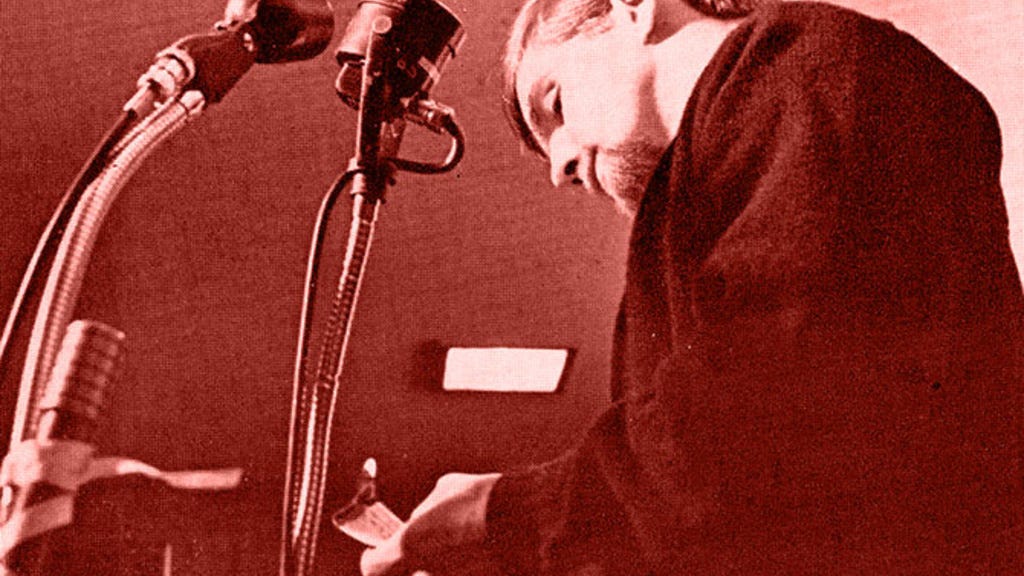
I shared last week that Gregory Alan Isakov has played non-stop on my Spotify. Well, whenever my 11-year-old isn’t seasoning my life with Eminem or my 5-year-old isn’t playing her harmonica in the back seat along to K-Pop Demon Hunters’ “Golden.” This week, Isakov’s song “The Fall” has stuck. In his own words, it’s about “the sentiment of failure” that is “another one of those feelings that we just spend forever trying to not experience.” Perhaps it’s truer to think that we don’t choose our hardships but that they choose us. How long will it take before I count myself lucky?
Continue choosing desire over fear.
Michael
I love the archives and somehow, I've never heard about the blood protest til now.